
My Story
The story of Brigitte Bosman

It's October 3, 2003, and I'm feeling unwell. I'm sweating, short of breath, and I assume I'm coming down with the flu; so I go to bed early. I can't sleep, getting sicker by the minute, and I'm also starting to vomit profusely. I just feel like this isn't good, so I drive my 5-year-old daughter, Cheyenne, to the emergency room. At the hospital, we walk in hand in hand. A doctor stands in the lobby and looks at me, and the last thing I see is him running toward me in a wheelchair and the sliding doors opening. A moment later, I wake up on a bed, Cheyenne is sitting next to me, holding my hand. The nurse tells me I've had a heart attack. I still think, "She's crazy! I'm 38 years old, weigh just 110 pounds, that's just not right."
After a week, I'm allowed to go home with medication. I'm very tired, but also anxious. If I feel anything on my chest, I panic. A week later, I'm taken back to the hospital by ambulance. Heart problems and probably another heart attack. After tests, the doctor pulls up a chair and sits next to my bed. He has good news, but unfortunately, also bad news. There are blocked blood vessels in my heart, but they can fix that. He also tells me he's seen a suspicious spot on my left lung. It turns out to be malignant. I suddenly have lung cancer. I search on Google and my heart sinks. Almost everyone dies from it; only 3% survive the first five years.
Not much later I was admitted for an operation to remove a large part of my left lung.
The night before the surgery, I write letters to everyone. The first letters are for my daughters, because if I don't wake up after the operation, there are still things you would have liked to tell your children yourself; for example, their first period, what's changing in your body; their first boyfriend; that many things will change when they go live with their grandparents, and that they only want the best for them. But also that I would have liked to be with them longer to see them graduate from school and get married. But if anything happens after this, I will definitely enjoy it from my cloud. And who knows, maybe I can even make it feel like I'm there; you never know. The next day, the surgery is successful. But alas: a year later, the cancer is back. I have metastases in my liver and on my skin. The prognosis is a maximum of one year... One year is a slap in the face. During the day, and to the outside world, I'm tough and strong, but at night, when everyone is asleep, I cry a lot. When I sleep, I dream. I see my funeral. I hover over it, in a corner, and see my coffin. I see my children. Such sadness. I want to grab my daughters and hug them, and then suddenly I'm sitting up in bed, wide awake, covered in sweat.
I have to undergo chemo and only do the necessary things: call a notary because it needs to be documented who my children will stay with after I die. I discuss my cremation. A white coffin with blue lining. Who I want there or not, and the music. It sounds strange, but it's a privilege to be able to think about this, because who can say: I'll arrange my own cremation? Necklaces for the kids with ashes. The urn will go to my parents. My mother gets to choose the urn, so I'll fit in with the furniture, otherwise I can always go in the sink cabinet. My mother doesn't understand the "tumor humor," and sometimes it gets to her too. But humor keeps me going.
I'm incredibly ill from the treatment, but I'm still fighting through. I just have to finish it. The first week after the treatment is the worst, in terms of feeling. Not that I feel the worst that week, but I'm not even allowed to hug my own children. They can't just snuggle in bed with me, and that's exactly what you want at times like these. My clothes have to be washed separately, and we use separate toilets: there's a large sticker on the toilet door above it that says "mom."
At home, I just lie in bed. My parents help a lot. My mother cooks, bathes me like I'm a baby again. I'm in so much pain and so tired from everything that my mother says, "If you don't want to go on, we understand. You don't have to worry about the kids." For a moment, I think maybe that's better, but then Cheyenne comes into the room, and I know immediately that I have to keep going. I have to win. I want to see her get married, and I want to be a grandmother too.
After 25 years, I had to quit smoking, in consultation with my doctor. It was so difficult! There were times I could actually enjoy a cigarette, especially after dinner with a cup of coffee. I haven't smoked for over 11 years now, but there are still times when I crave that cigarette. I completely understand why people can't quit. Quitting doesn't guarantee you won't get cancer, but you really do feel much better without that cigarette, no matter how good that awful thing tastes.
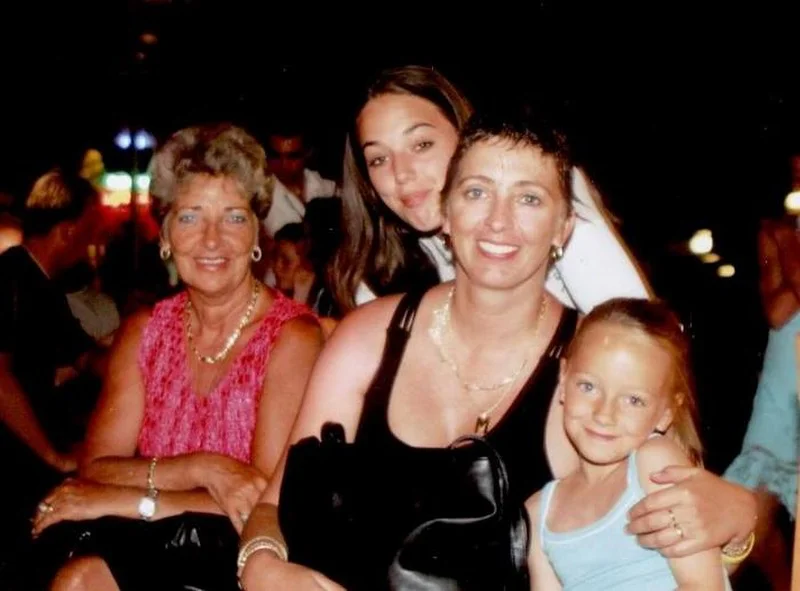
Over the past few years, I've undergone five surgeries and eight rounds of chemotherapy, lasting a total of 32 weeks. And against all odds, I'm still alive. Back then, I was mostly focused on dying and surviving. If things went well for a while, everyone told me how happy I should be. Of course I'm happy, but getting back to that life isn't easy. I'd already said goodbye to everything and everyone.
What do you do when things are better than your life? Working was no longer possible. Sitting at home, staring into space, and dealing with the constant fear of it returning was actually driving me crazy. All it took was coughing for a little too long for me to immediately think: "The cancer is back."
There had to be something that could make me feel useful again?
One of the things I missed as a patient myself was finding the right information about my illness, fellow sufferers who felt the same as me, with whom I could talk and who understood my fears.
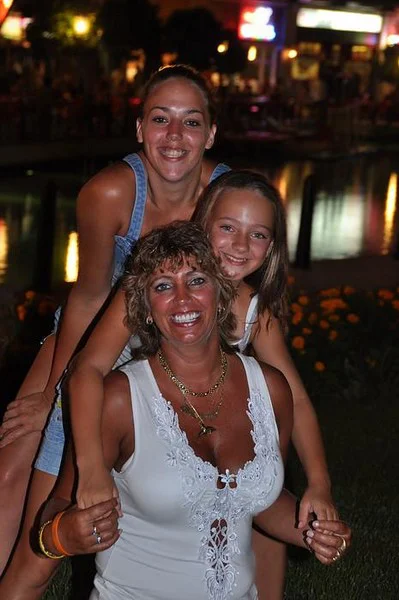
I'm now making that possible for other patients. I help people find the right information, and new treatments when they hear they've run out of options. A listening ear means so much to people. Most patients are very lonely during their illness. Even though you have so much family and friends around you, with the illness itself, you're truly alone. I try to provide a little pampering moment and give a BriBos Pamper Bag filled with all sorts of little treats. My dream of having the pamper bags become part of a real foundation has now come true, so that even more cancer patients can be reached and the benefits will be lasting. Bags are already being sent throughout the Netherlands, and we're even receiving requests from abroad.
I've been given a fantastic space at HMC Westeinde Hospital in The Hague, and after the renovation/new construction, I've also been promised one at HMC Antonius Hove in Leidschendam. Patients can simply drop in for a cup of coffee. They can share their stories, and once a month there are discussion groups. Doctors are also present, but without lab coats, because I value the "living room" atmosphere.
The doctors are baffled and call me the White Raven. But if I do happen to lose the battle, I'll have left something behind for the patients who come after me. Because even though I'm doing very well now, I also know that tomorrow could be different. Fortunately, I can now truly enjoy the little things. I'm making costumes for the musical at my daughter's school, I got my motorcycle license and I'm tearing around on a borrowed one. And I offer a listening ear to other cancer patients. But I especially enjoy seeing my children enjoy themselves and see that they are happy. It was precisely for them that I endured it all.